
클라이언트
LG H&H
Year:
2024
Team:
2 people · 60% contribution
Role:
3D Asset Design
AI Pipeline Design
Content Strategy
Tools:
Adobe Substance 3D
Midjourney
Rhino 3D
Photoshop
01
Chapter — System Design
Problem
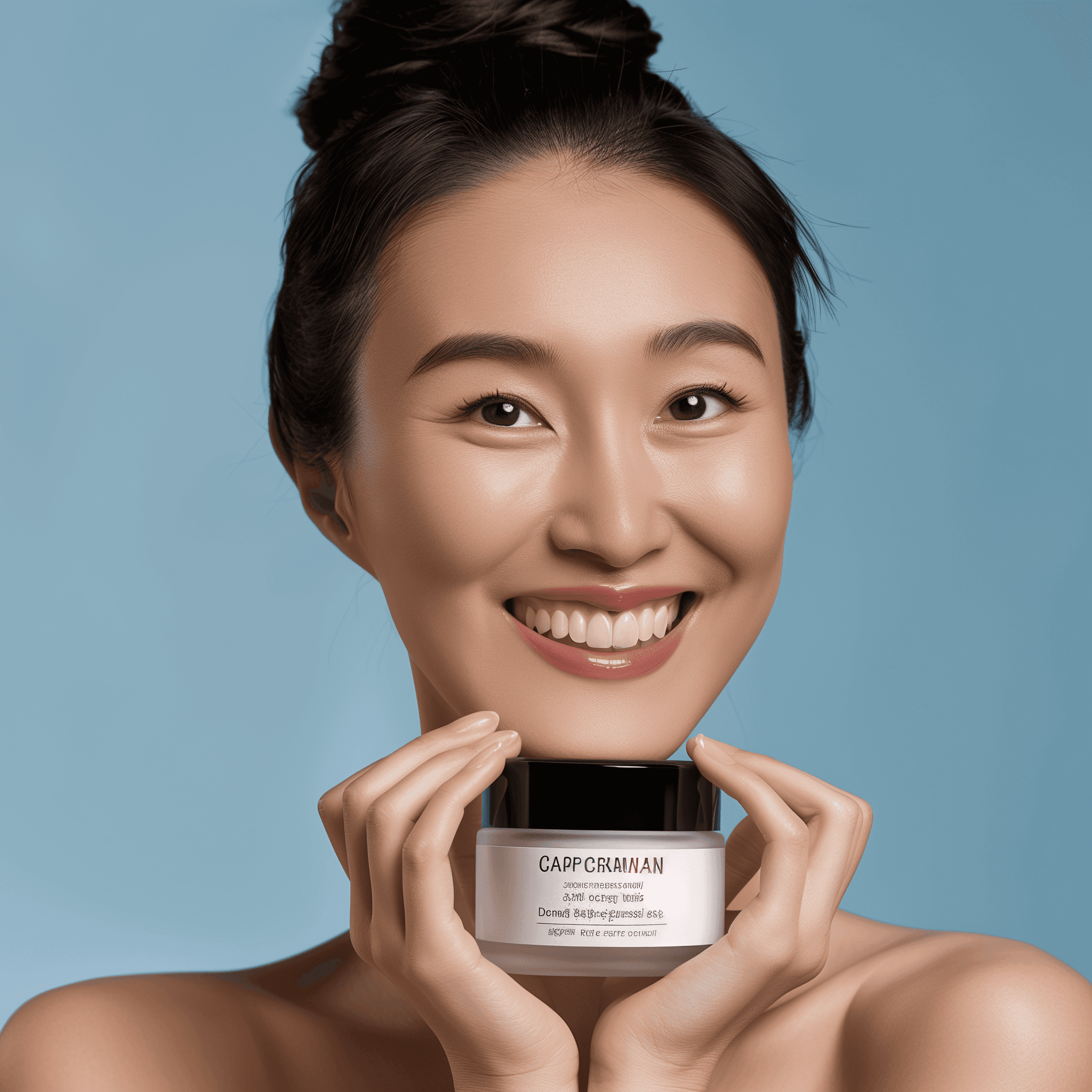
Prompt-only outputs distorted
product forms and drifted
in tone from result to result.
Shift
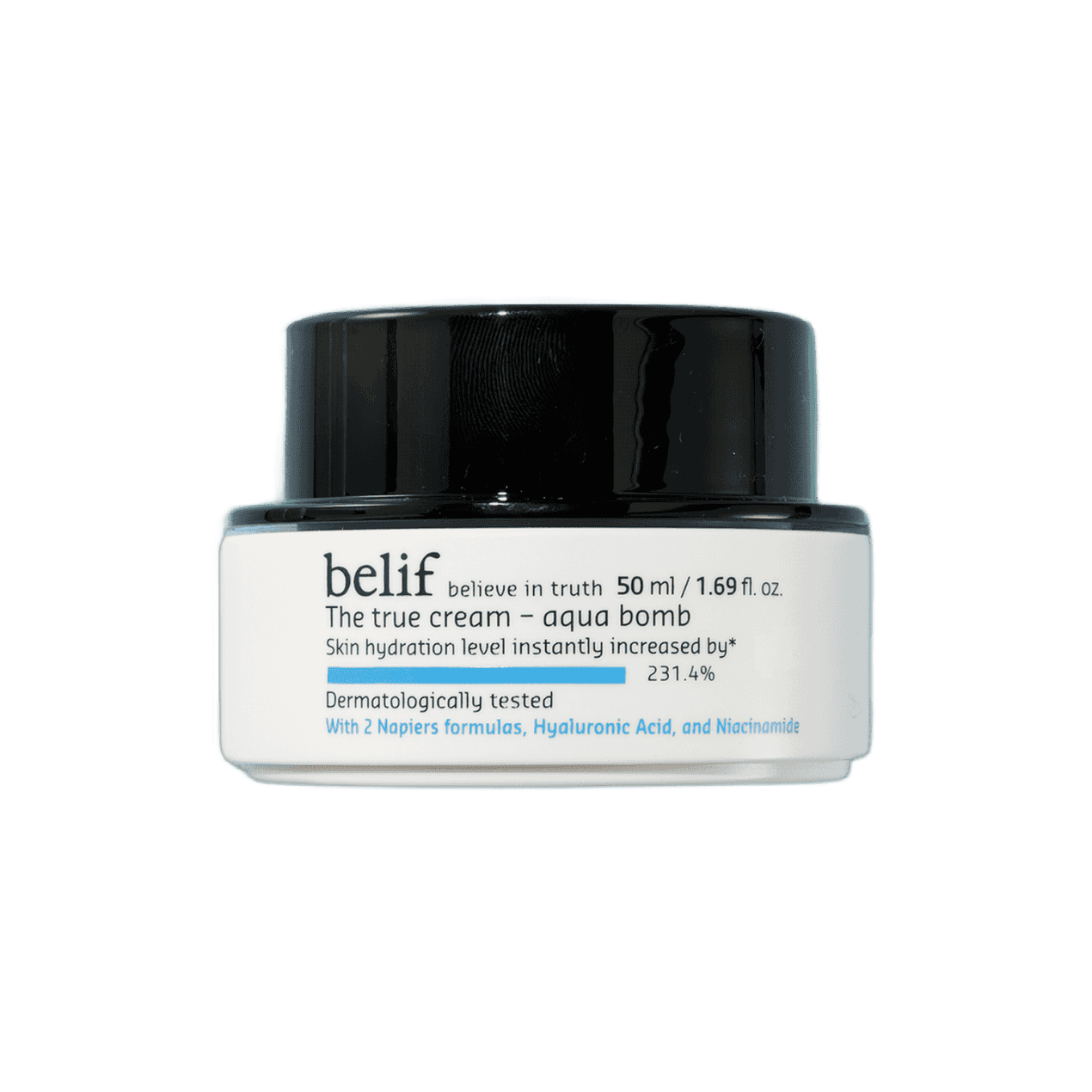
Standardized 3D stages became
the base for the generative model —
locking product form in place.
Control the input,
not the prompt.
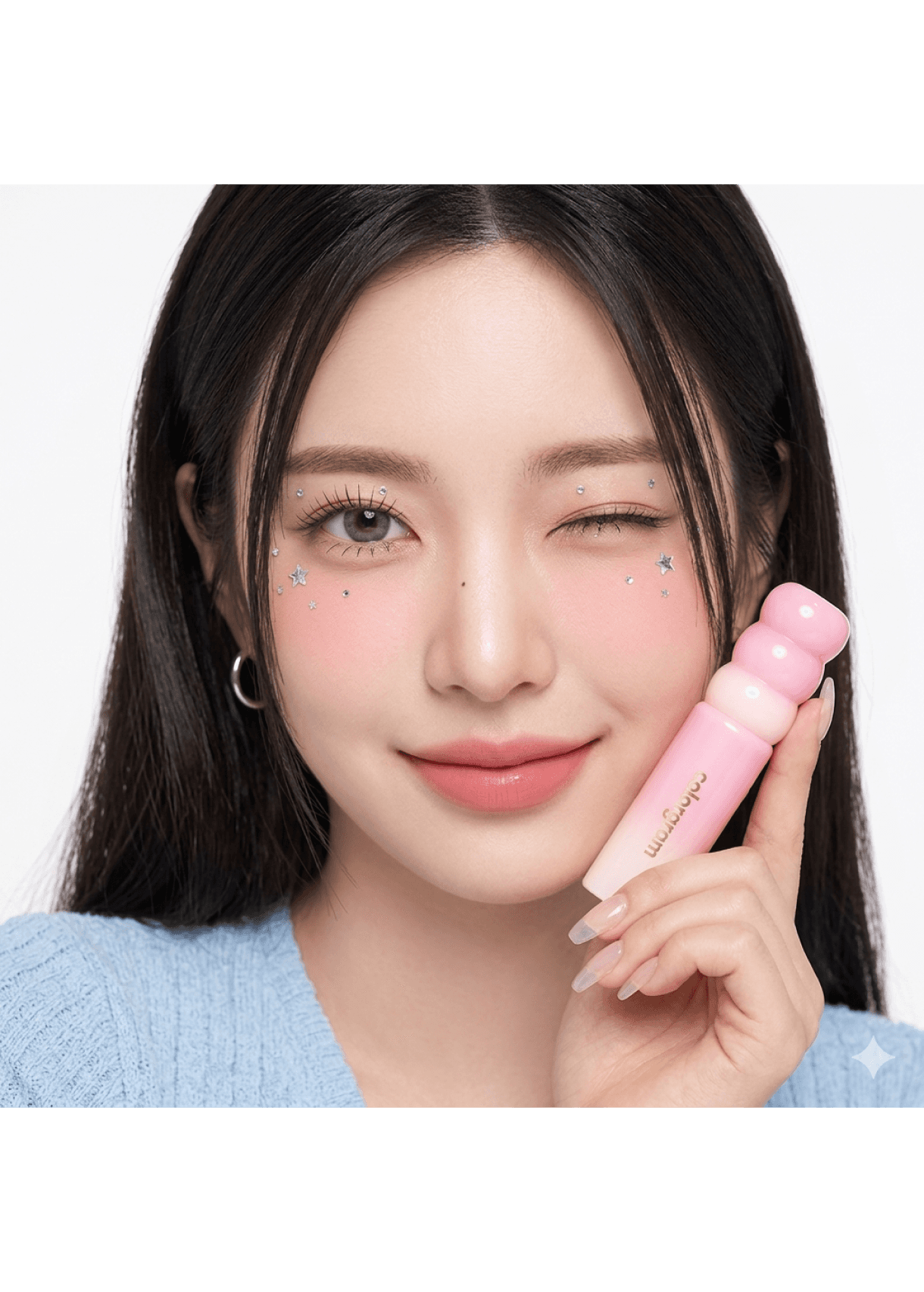
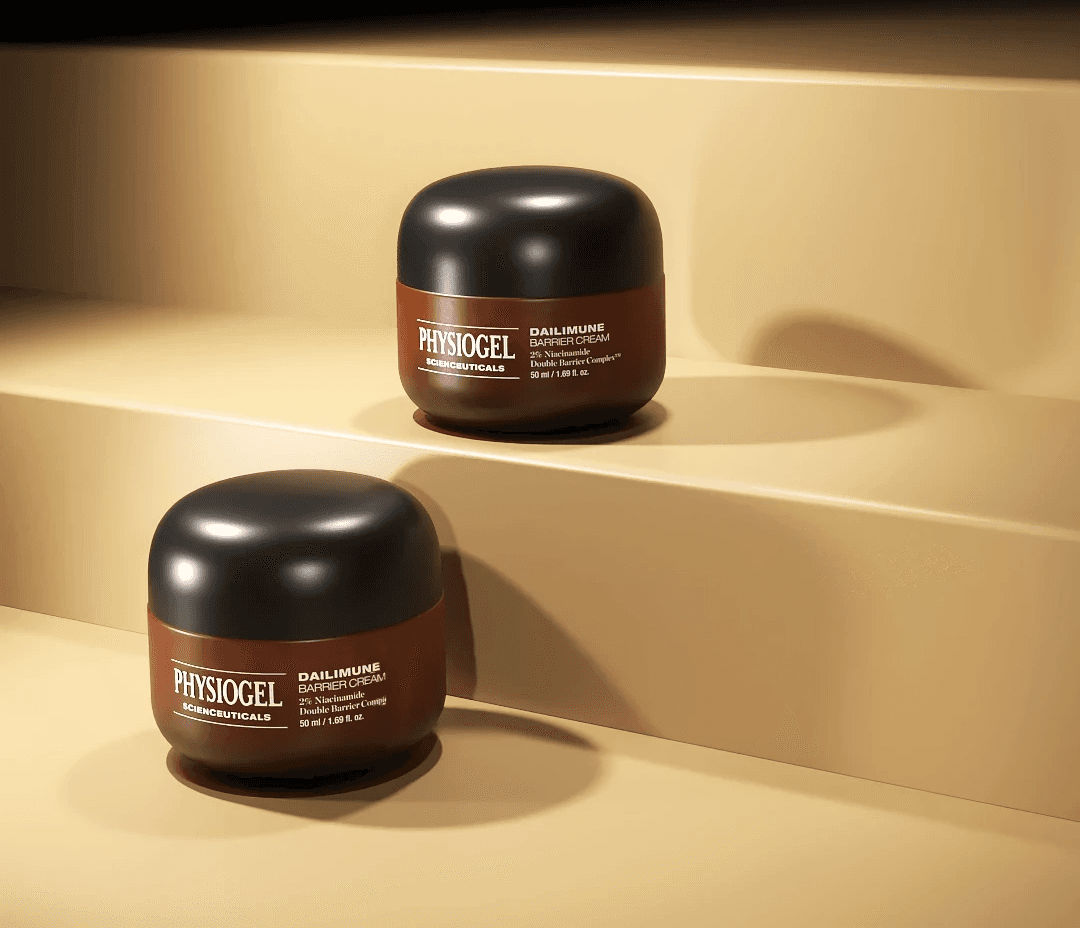
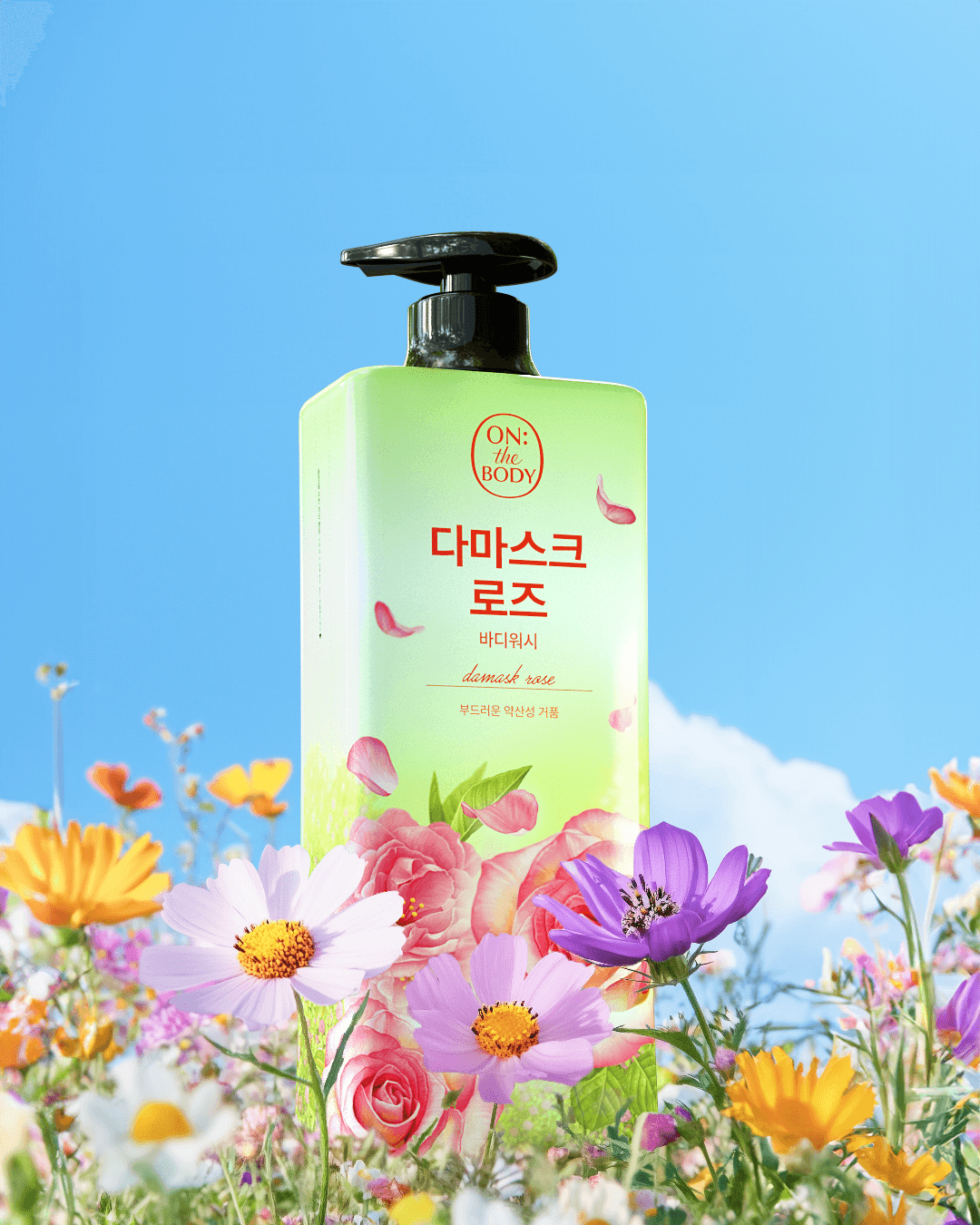
LG H&H needed to produce marketing imagery for dozens of beauty brands at a scale that traditional photography couldn't support. Generative AI was the natural answer, but a prompt-driven workflow produced inconsistent product forms and brand tones across results.
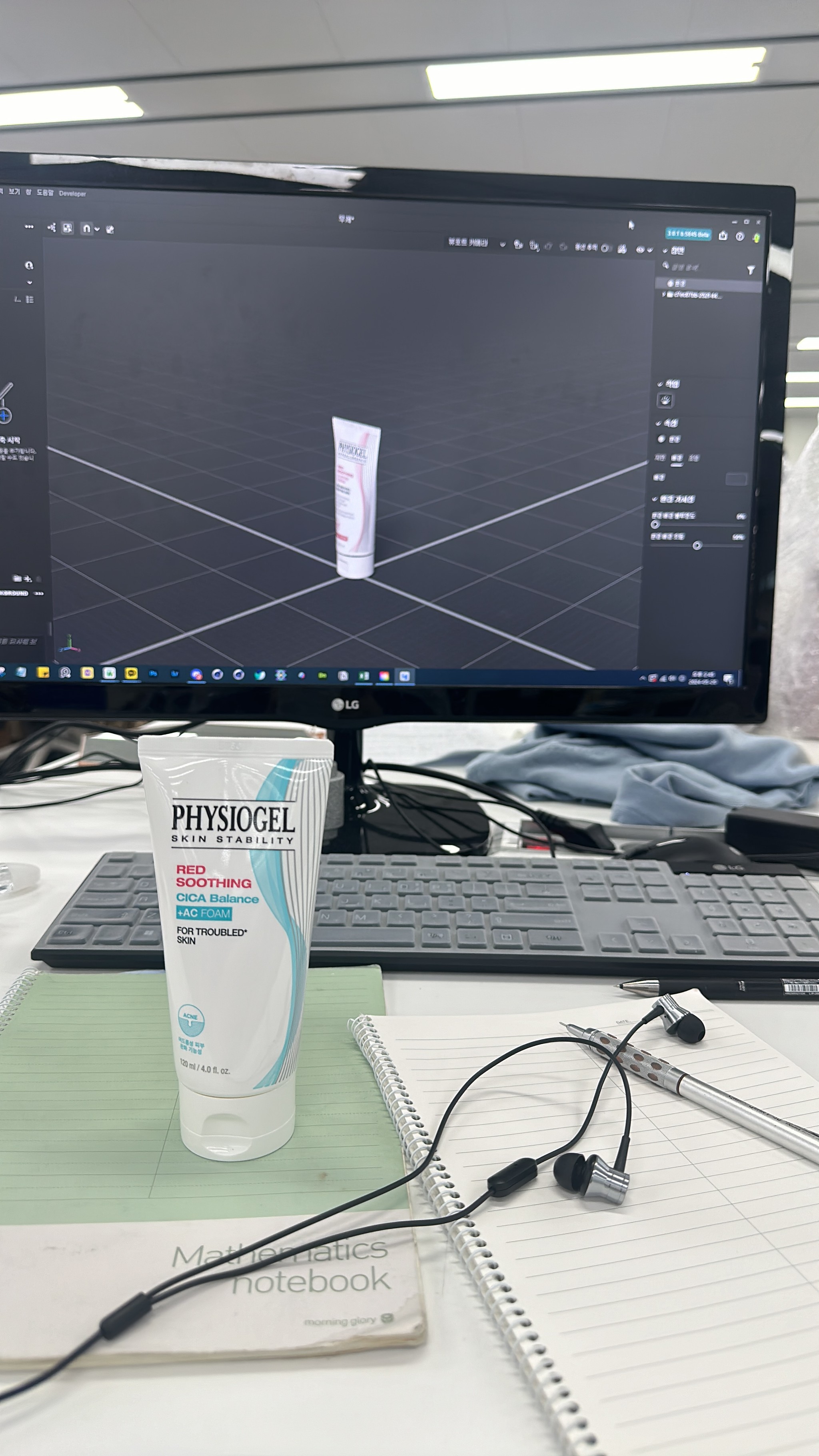
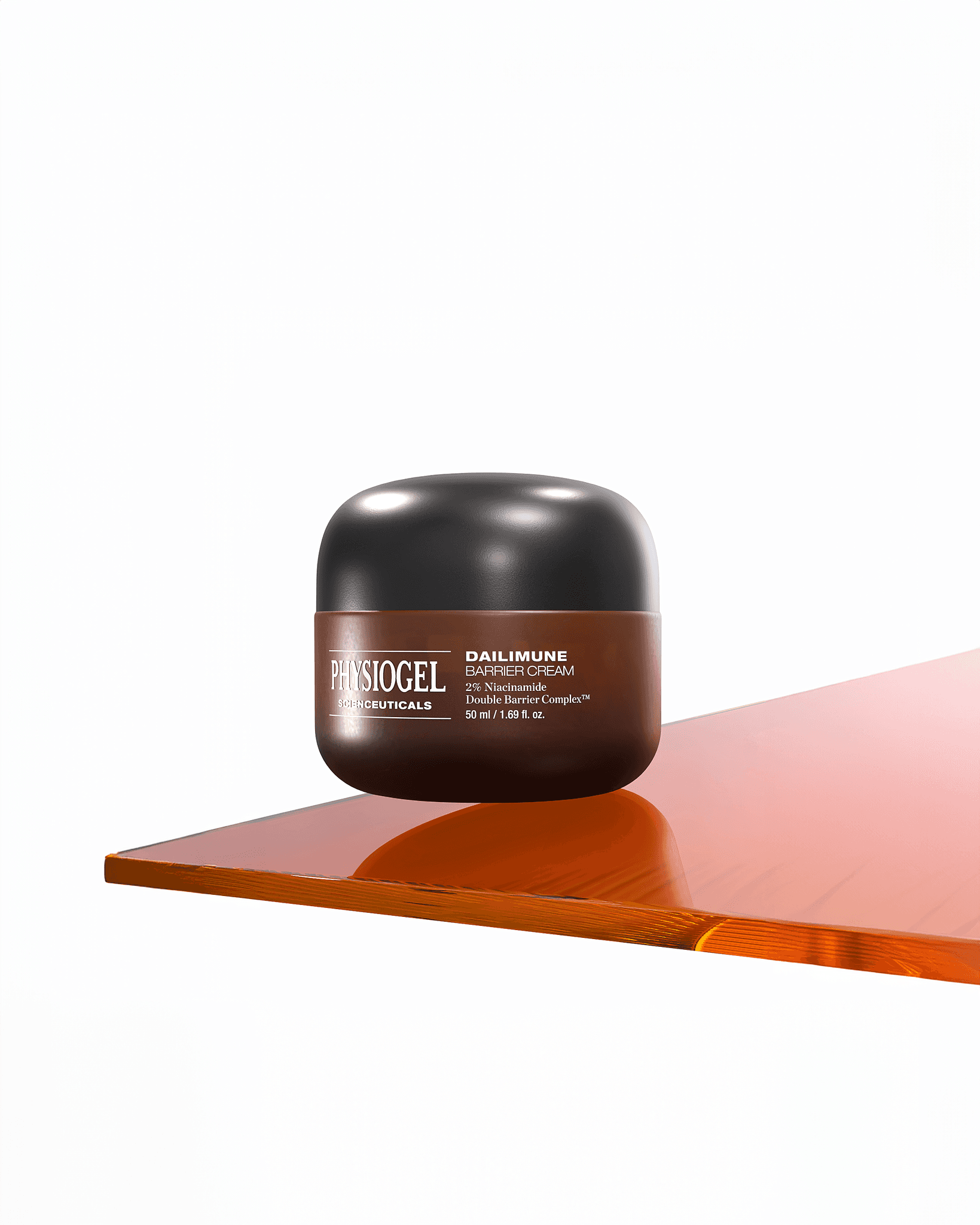
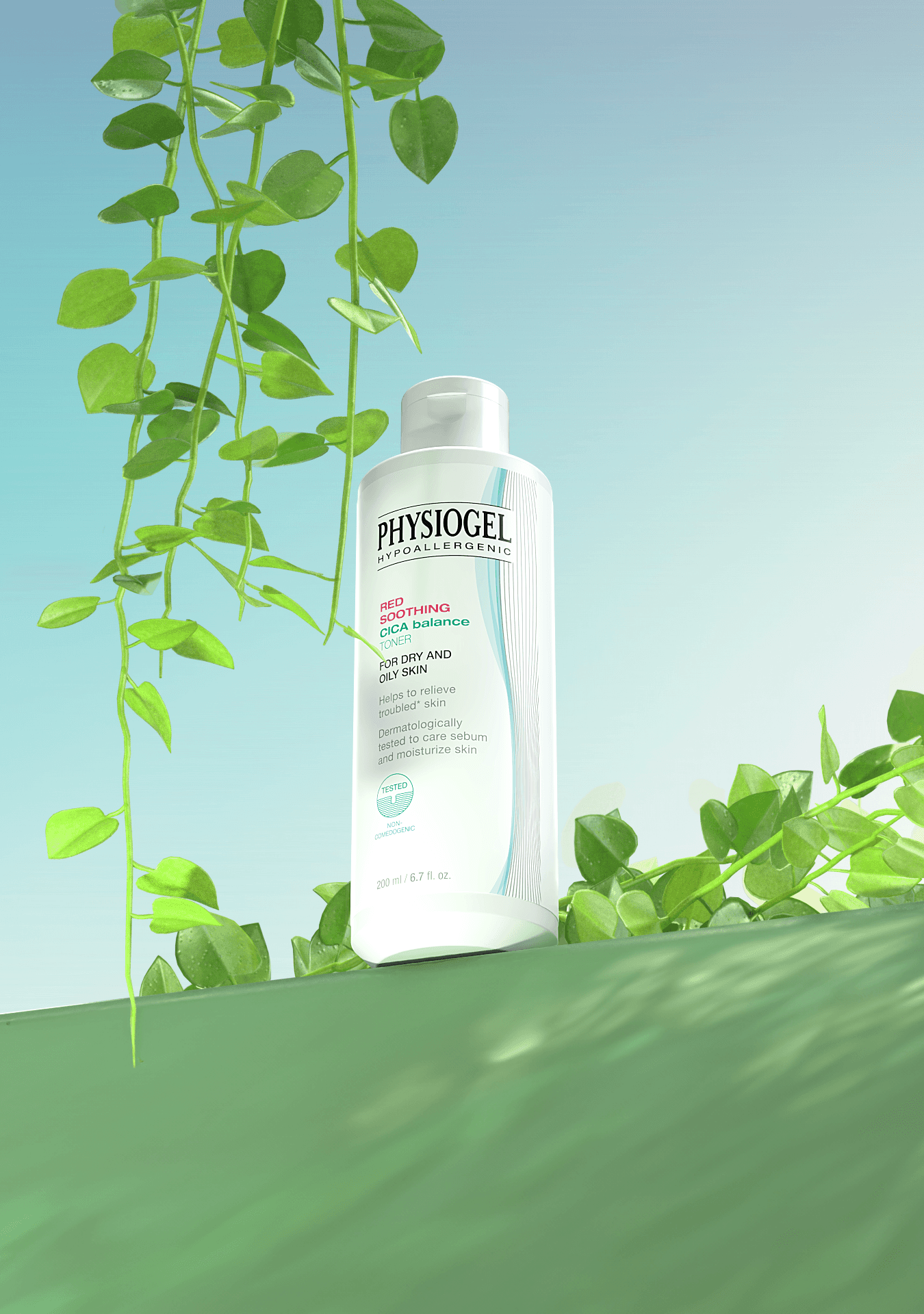
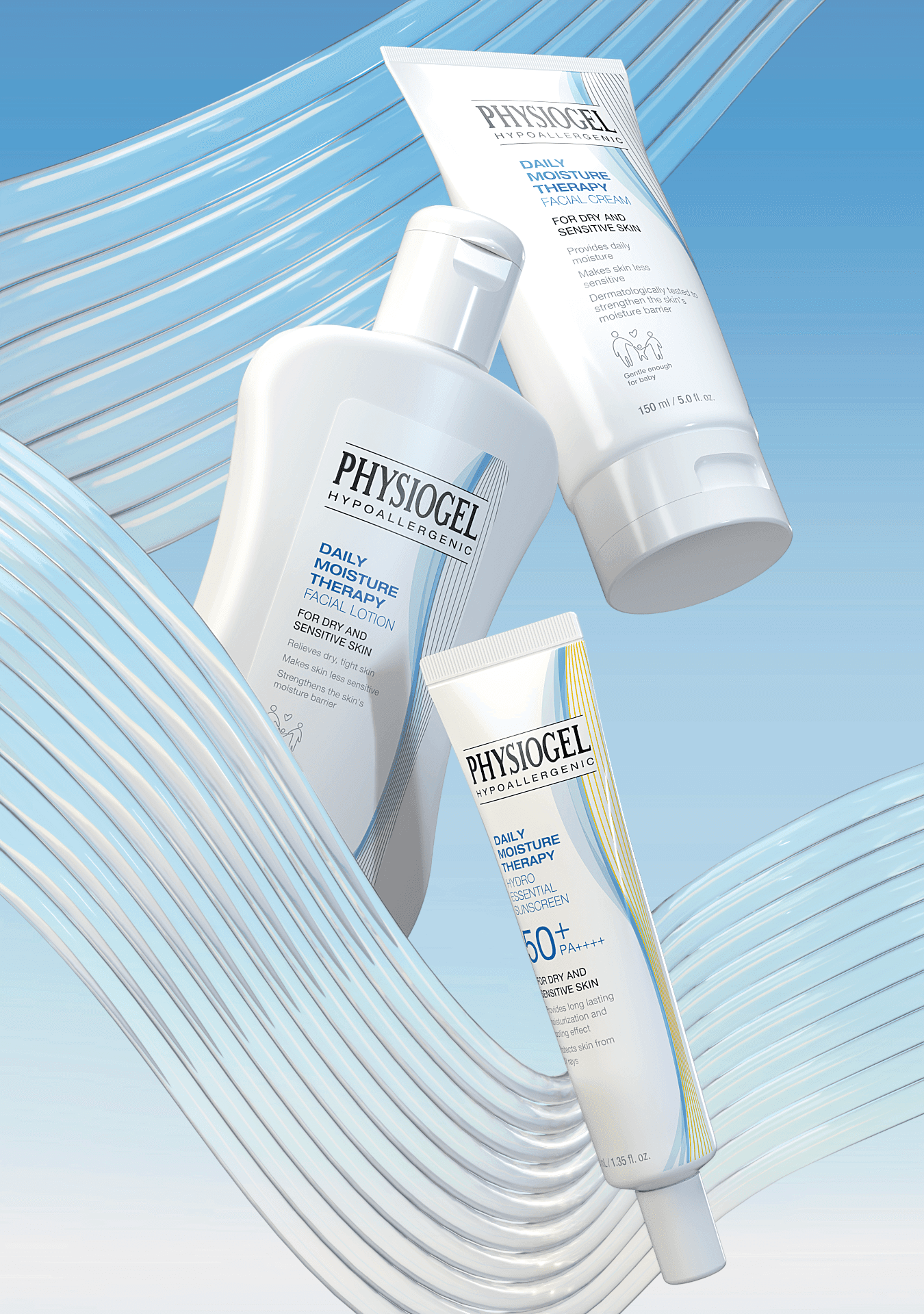
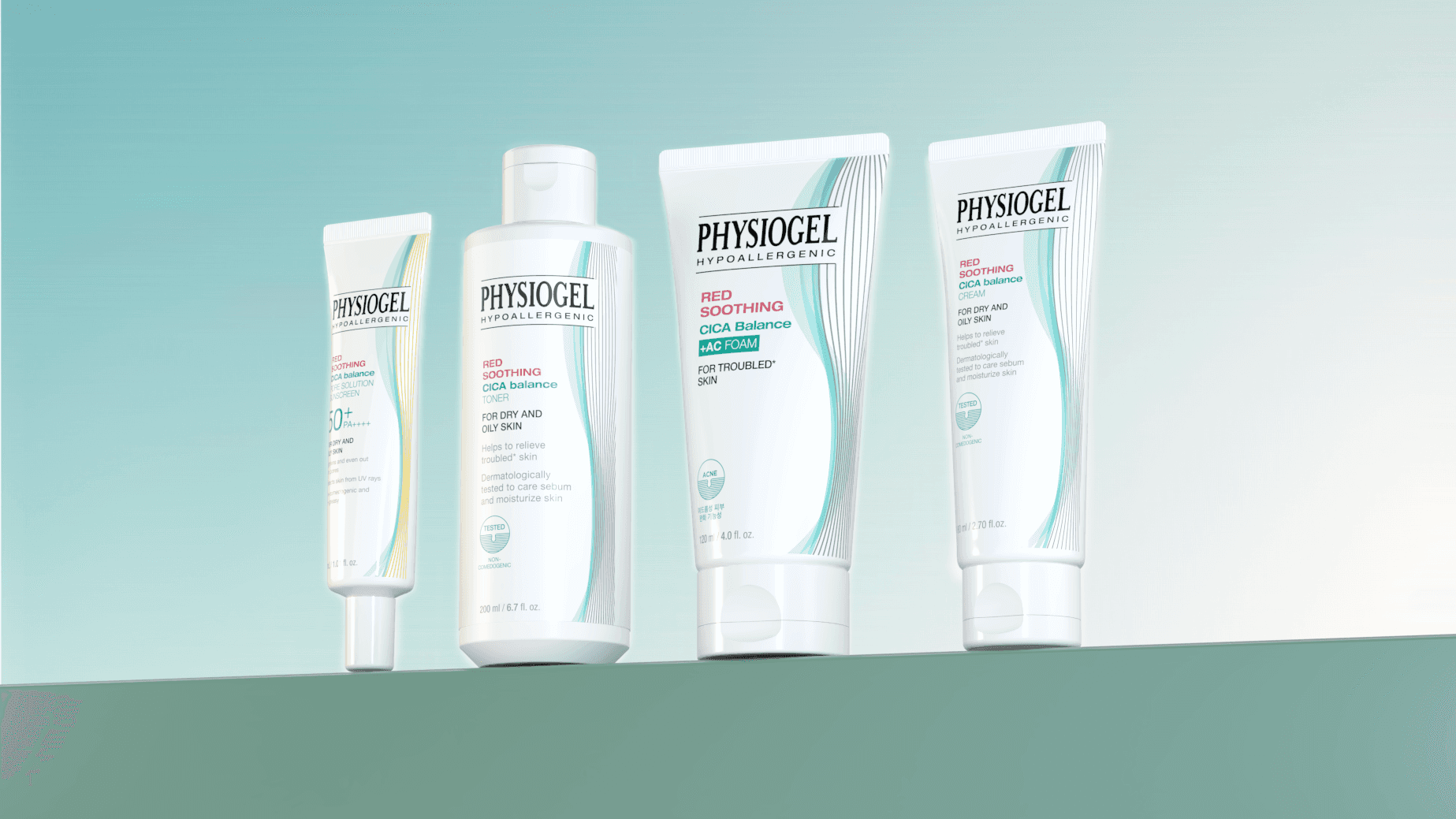
The solution was to move the point of control upstream. The team built a library of 3D product assets and standardized Substance 3D stages — scene, lighting, camera — so the generative model only filled in background and mood. This preserved product fidelity across repeated generations.
I.
II.
III.
IV.
Loop — Rejected results go back to stage parameters, not to the prompt.
A methodology,
not a tool.
Once inputs are standardized, the team's work shifts from prompt engineering to curation — writing segment briefs, reviewing generated frames, and directing art for skin, styling, and mood.
The pipeline was documented as an internal handbook so marketers with no ComfyUI experience could use it. The deliverable is a reusable methodology, not a specific generator.
02
Chapter — Brand Application


01
ComfyUI
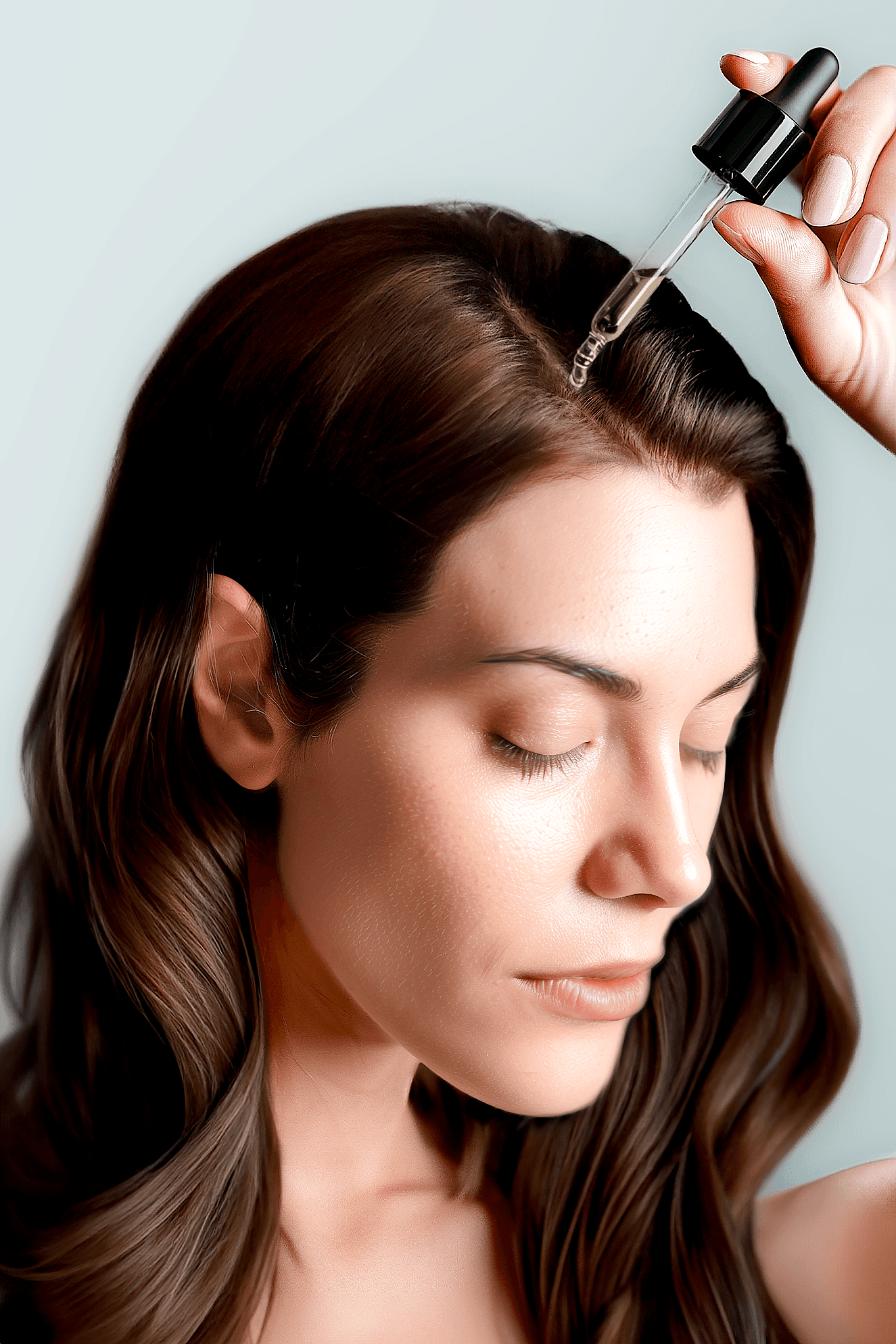
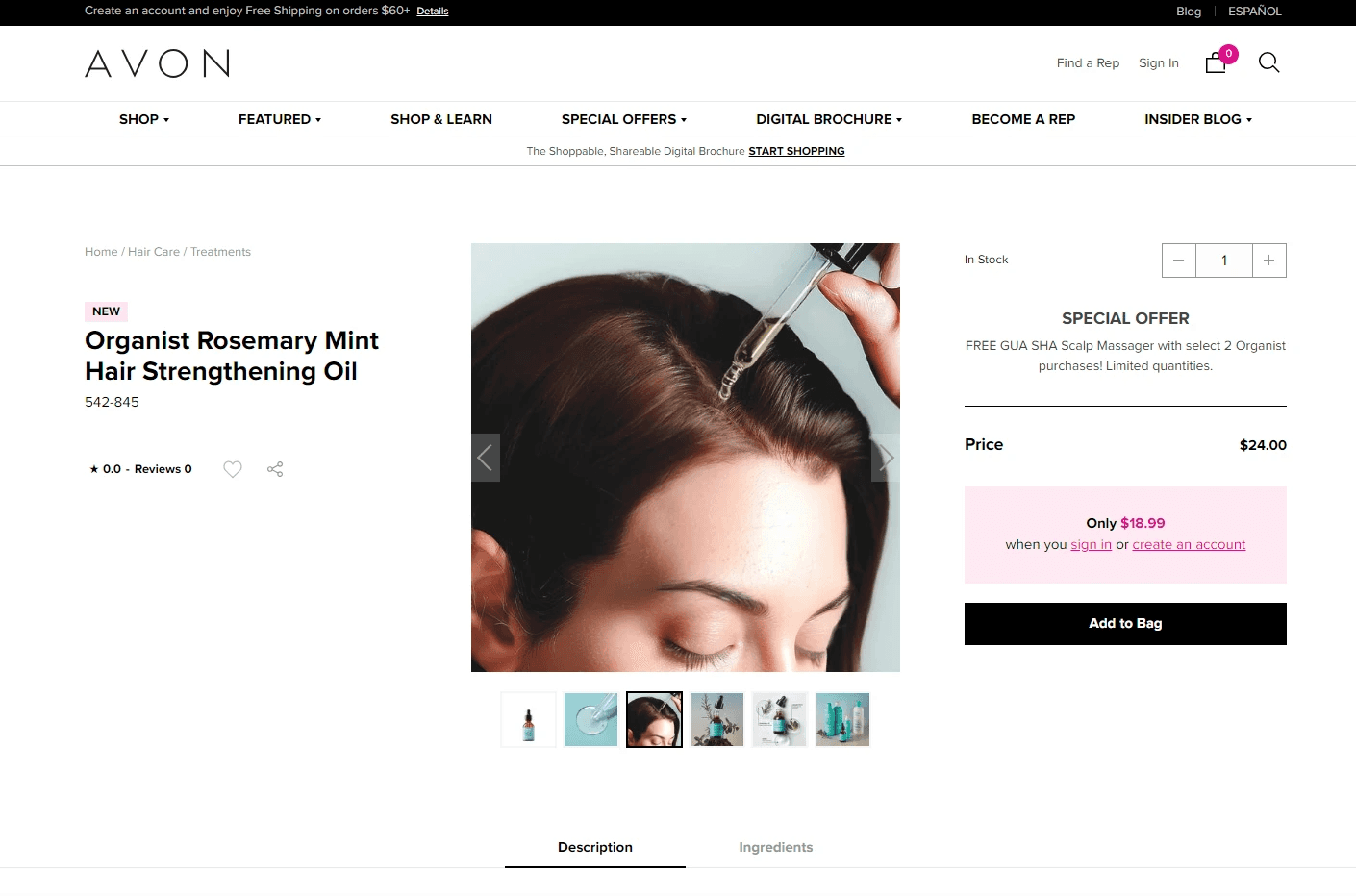
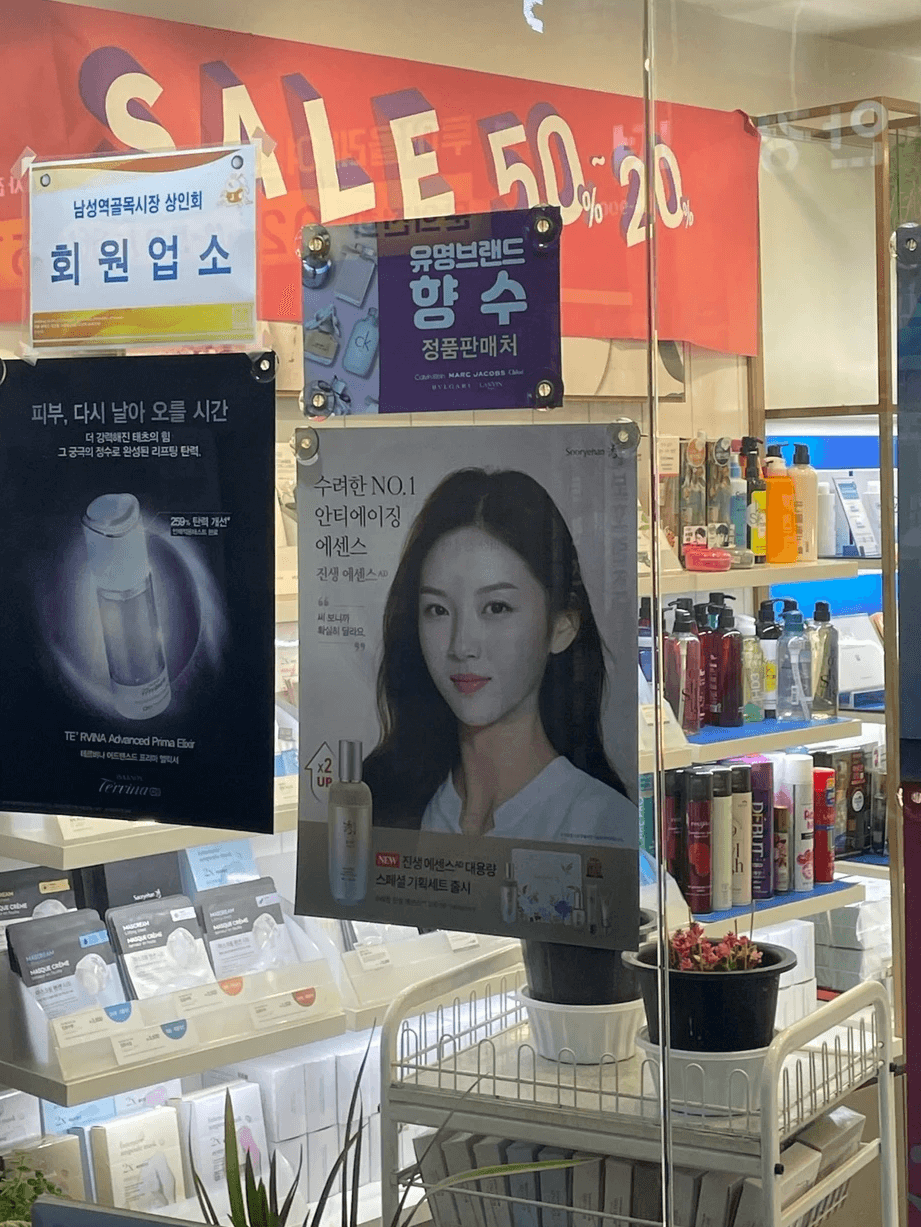
Generates the base image from segment parameters — ethnicity, age, lifestyle, values. The 3D stage defines the frame; the model generates around it.
Tool — ComfyUI / Stable Diffusion
02
Photoshop
Manually adjusts skin, expression, hair, wardrobe, and accessories. This is where art direction is applied.
Tool — Adobe Photoshop
03
KREA Enhancer
The realism pass. Removes the plastic-looking skin texture common in AI output and restores photographic surface detail.
Tool — KREA AI
03
Chapter — AI Model Archiving
Project
AI Model Archiving Website
Tools
Figma
Year
April–July 2024
Team
2 people · 60% contribution
Role
UX/UI Design
System Design
AI Workflow
Filters
Ethnicity
· Ethnicity
Age
· Age
Lifestyle
· Lifestyle
Values
· Values
Actions
+ Request New Model
Submit Brief
Pipeline Guide ↗
F-32
20s · Urban · Warm

M-18
30s · Minimal · Cool
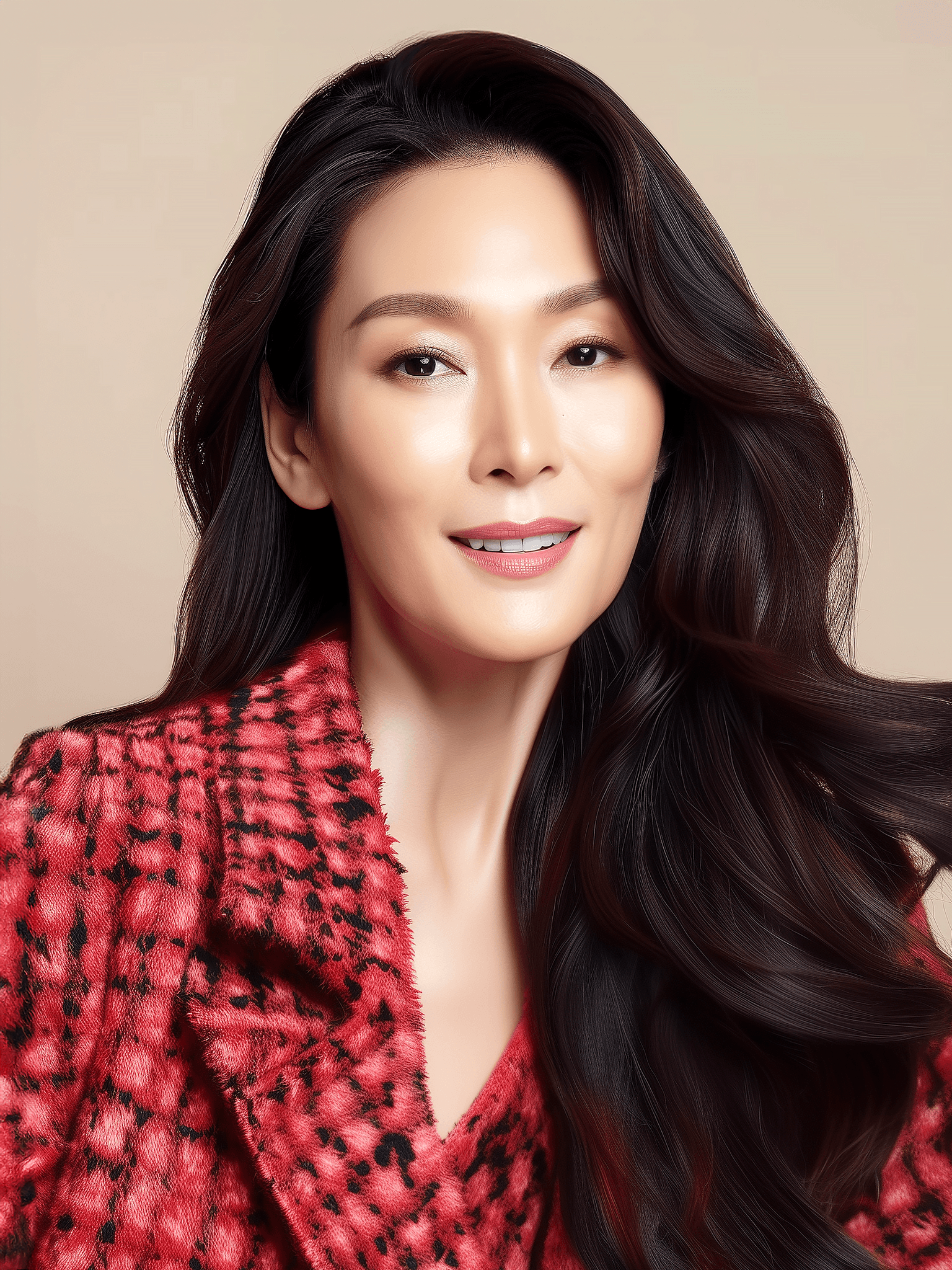
F-41
40s · Edgy · Chic

M-07
50s · Classic · Intellectual
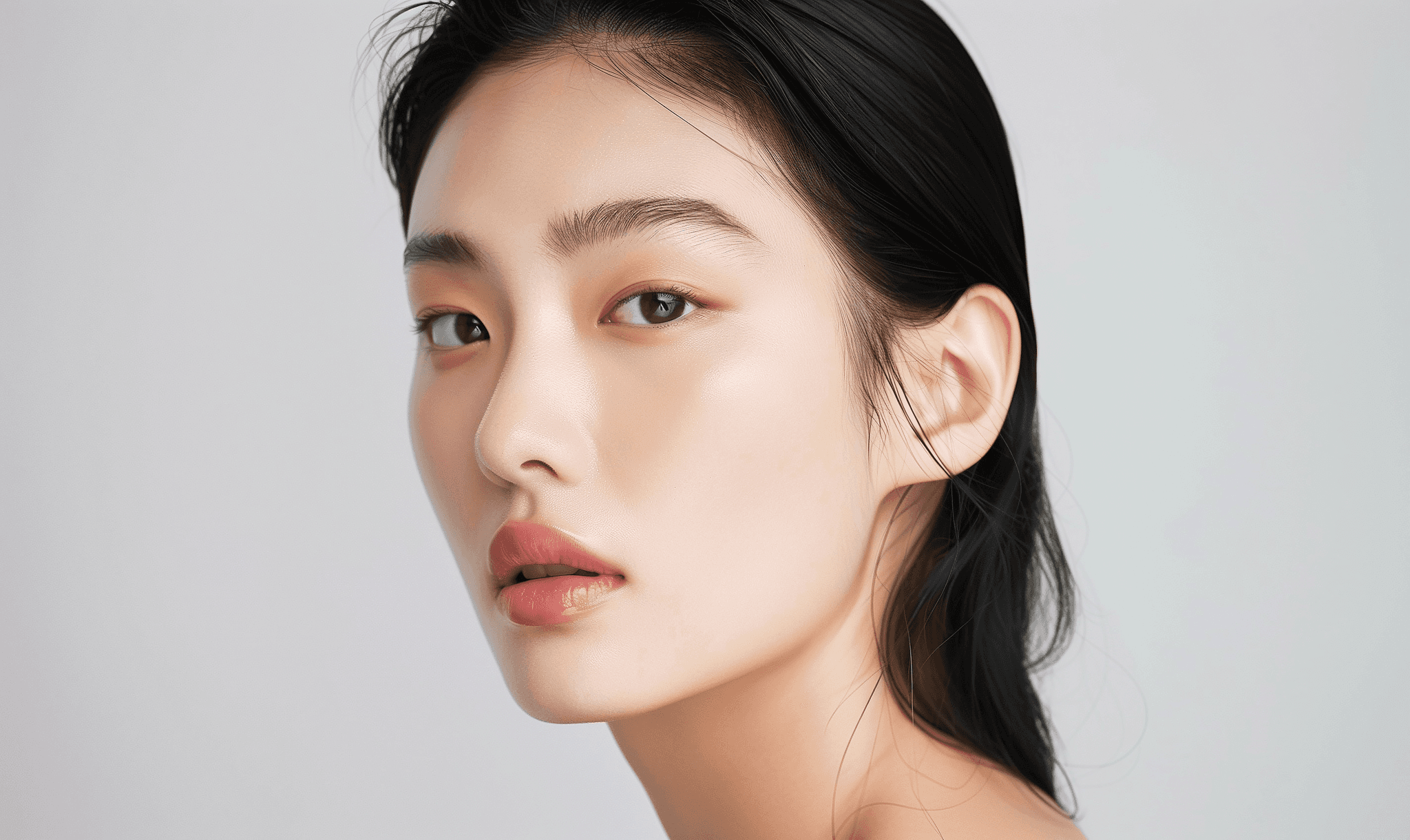
F-55
20s · Dreamy · Cool

F-09
30s · Outdoor · Bright
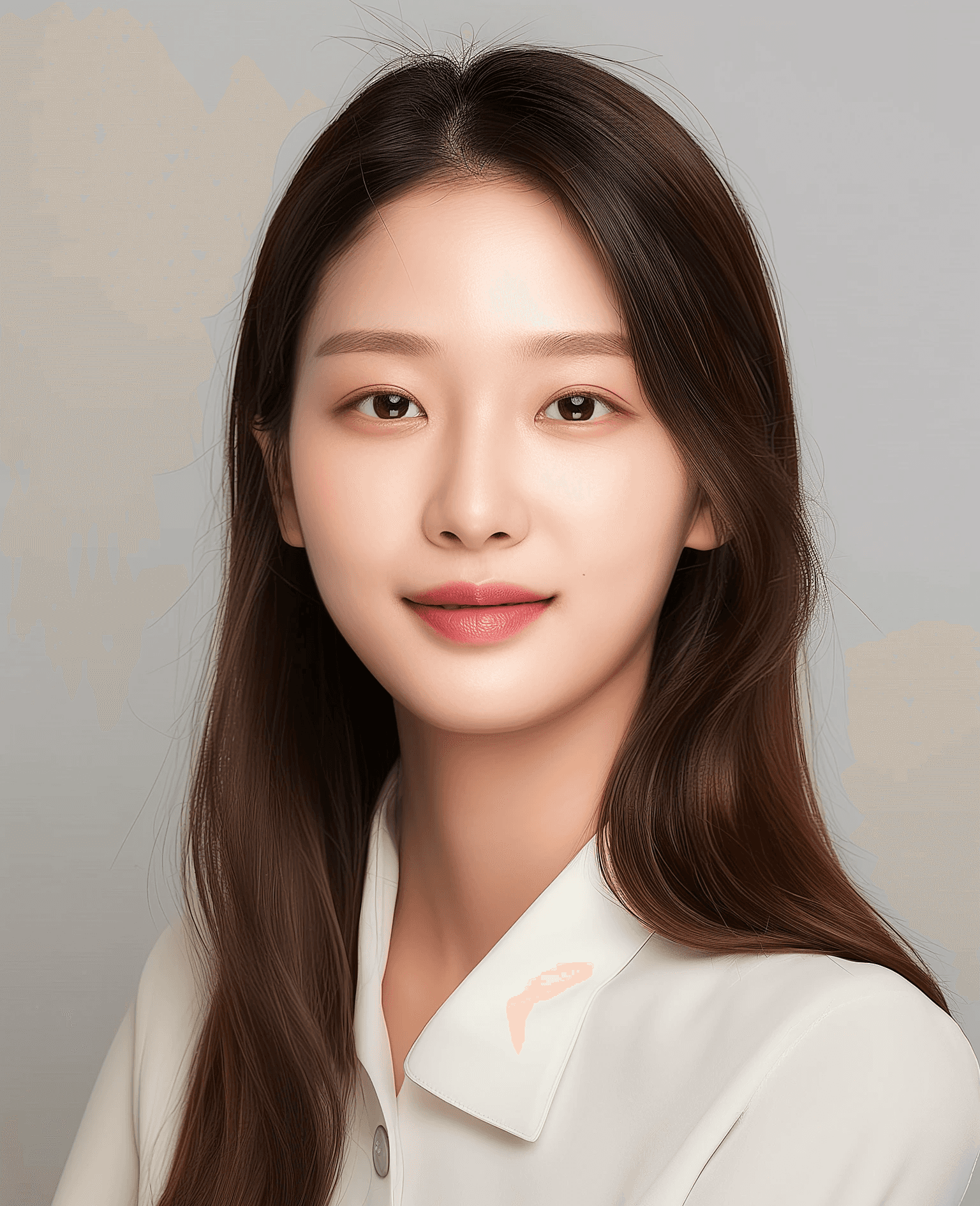
M-22
30s · Neat · Neutral

F-63
60s · Lead Figure · Warm
A UI layer
on top of the pipeline.
LG H&H's marketers aren't generative AI specialists, so opening ComfyUI directly was never a realistic hand-off. The pipeline needed a UI that matched how the marketing team already works.
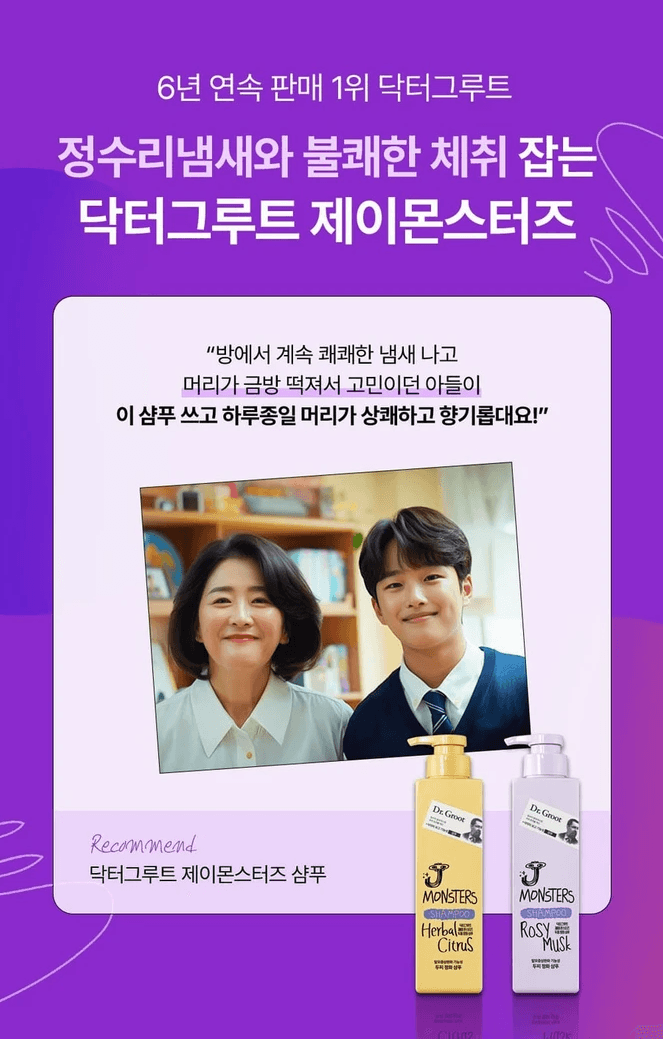
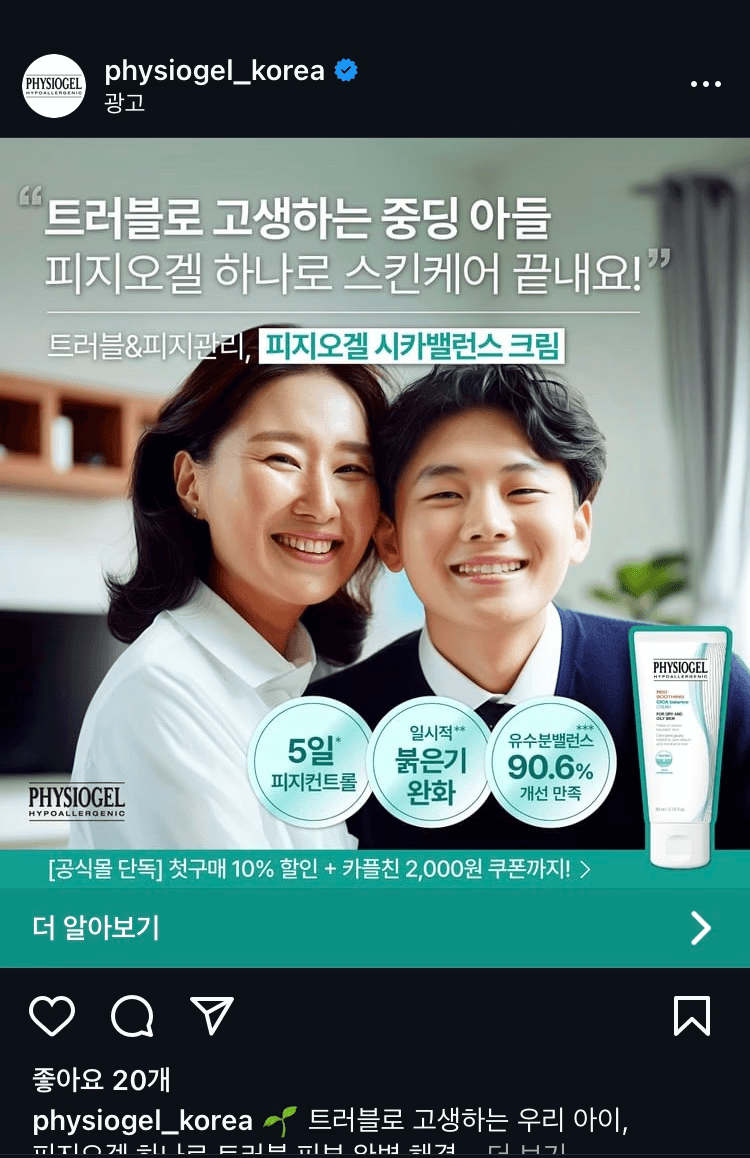
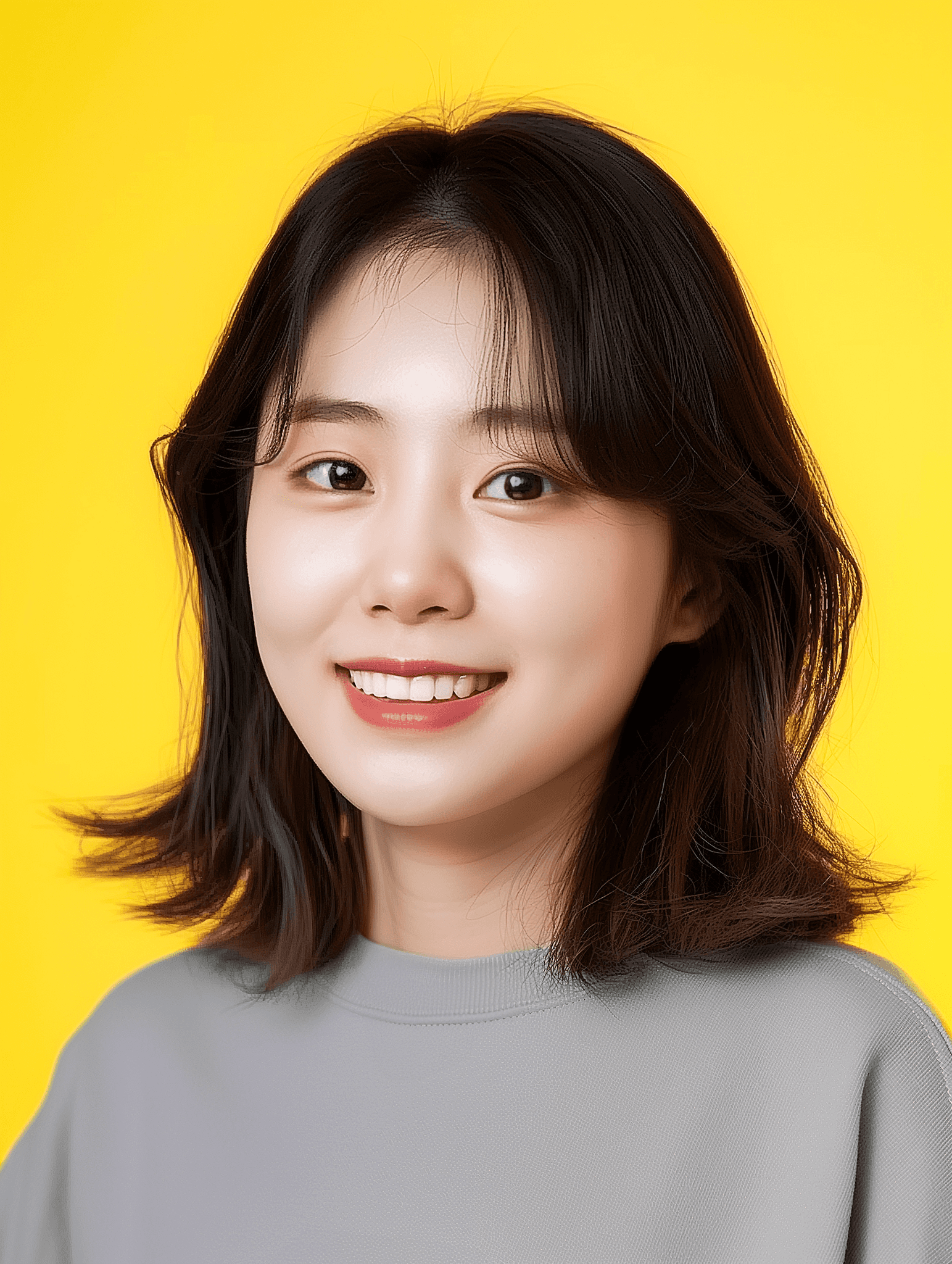
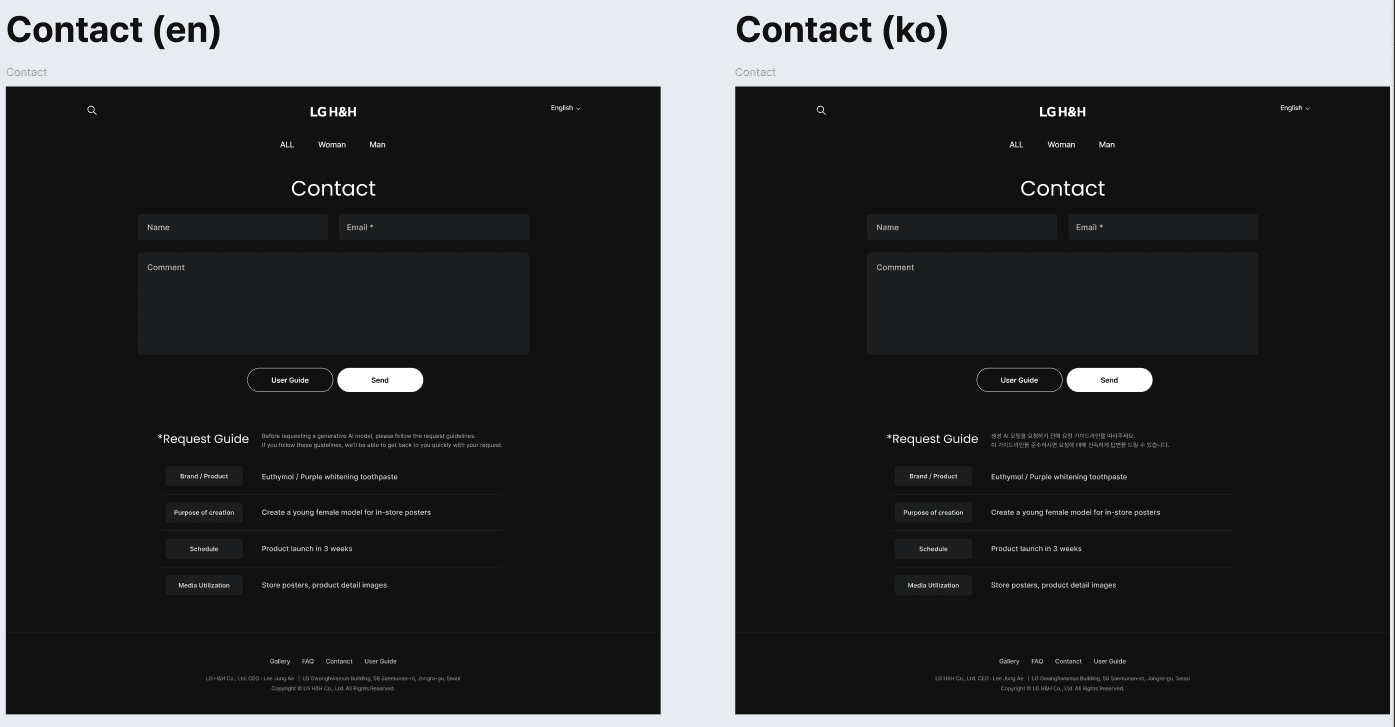
The archiving site is that layer — an AI model library filtered by ethnicity, age, lifestyle, and values, plus a request form that maps a standard brand brief ("Dr.Groot J.Monsters, Saturday morning, a teen child and parent") to pipeline parameters.
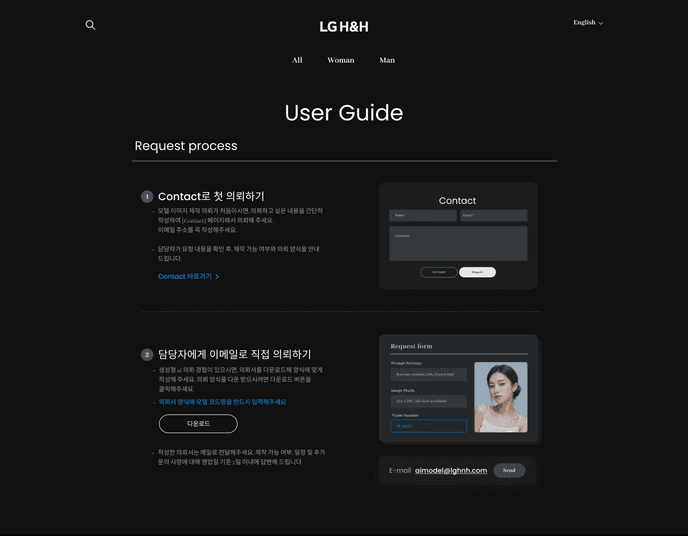
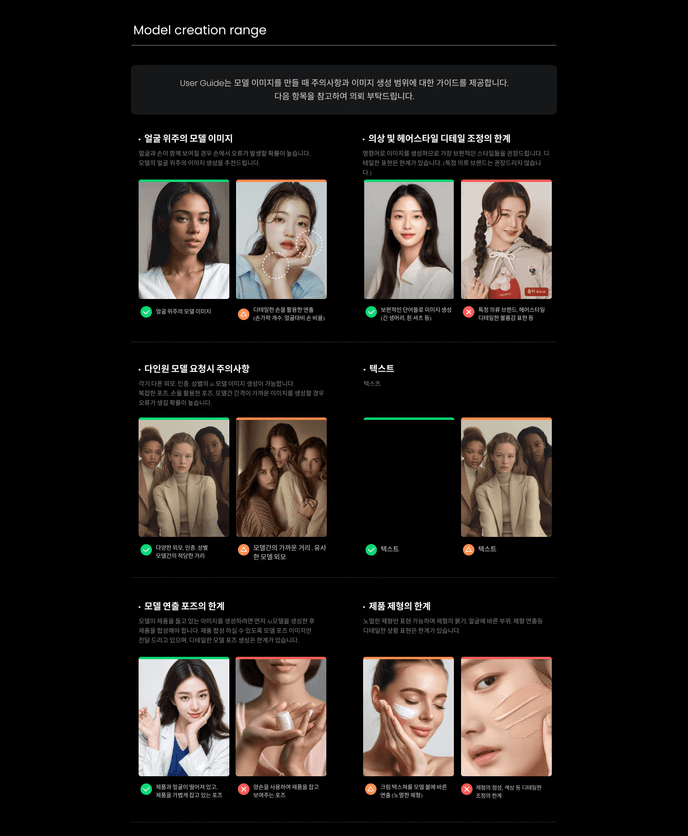
Filtered by ethnicity, age,
lifestyle,
and values.
Taxonomy
A request form that maps
a brand brief to pipeline
parameters.
Handoff
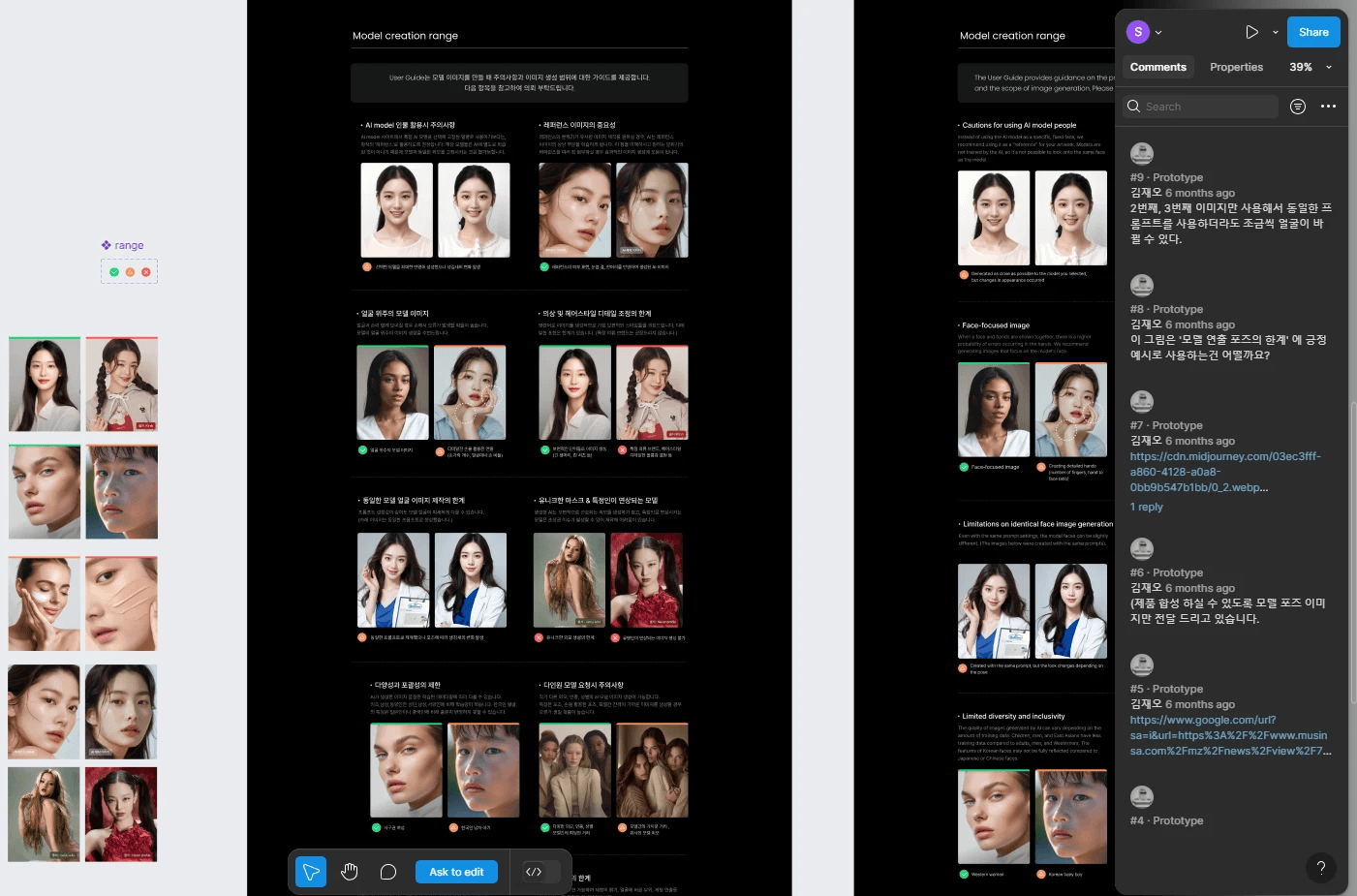
Designed in Figma and
delivered with a usage guide
for new teams.
Deliverable
04
Chapter — Midjourney Training & Lien Persona
Production Time
30×
Compared to the traditional person-based shoot-and-retouch workflow. Measured from the archiving site's production data.
Internal Reach
150+
Marketers registered on the AI Model Archiving site in the first half of 2024.
Brand Outputs
3
Brand lines deployed: Dr.Groot Fresh Flower, Dr.Groot J.Monsters, Physiogel — each with a dedicated model brief.
Insight.
Prompts describe intent but can't enforce it. Standardized 3D stages, a shared model library, and a documented handbook specify camera, lighting, and team-verified steps explicitly — making results predictable across repeated runs.
Moving control from the prompt to the input is what made this pipeline reproducible by the whole team, not just the people who built it.
Next Project
Bubblify
→
Sydney Hong
Seoul, South Korea
© Sydney Hong All Rights Reserved