
Client
LG H&H
Period
April 2024
Role
3D
Art Direction
Compositing
Tools
Cinema 4D
Redshift
Photoshop
Overview
01
Issue 23
Magazine cover · shipped
02
6+ assets
Typography · liquid · character
03
First Redshift prod
Renderer switched mid-deadline
04
Role widened
AI content intern → cover author
Challenge
A new magazine needed
a cover language.
The surface request was simple: make 3D assets for the cover. The real challenge was less simple. STAAACK was still defining its visual language, and the assets had to sit on top of live photography without feeling pasted on.
That meant mood was not something to inherit from a reference board. It had to be read from the actual shoot: the light, the props, the surfaces, and the way the cover image was being built in camera.
Step · 01
Read the mood
from the set.
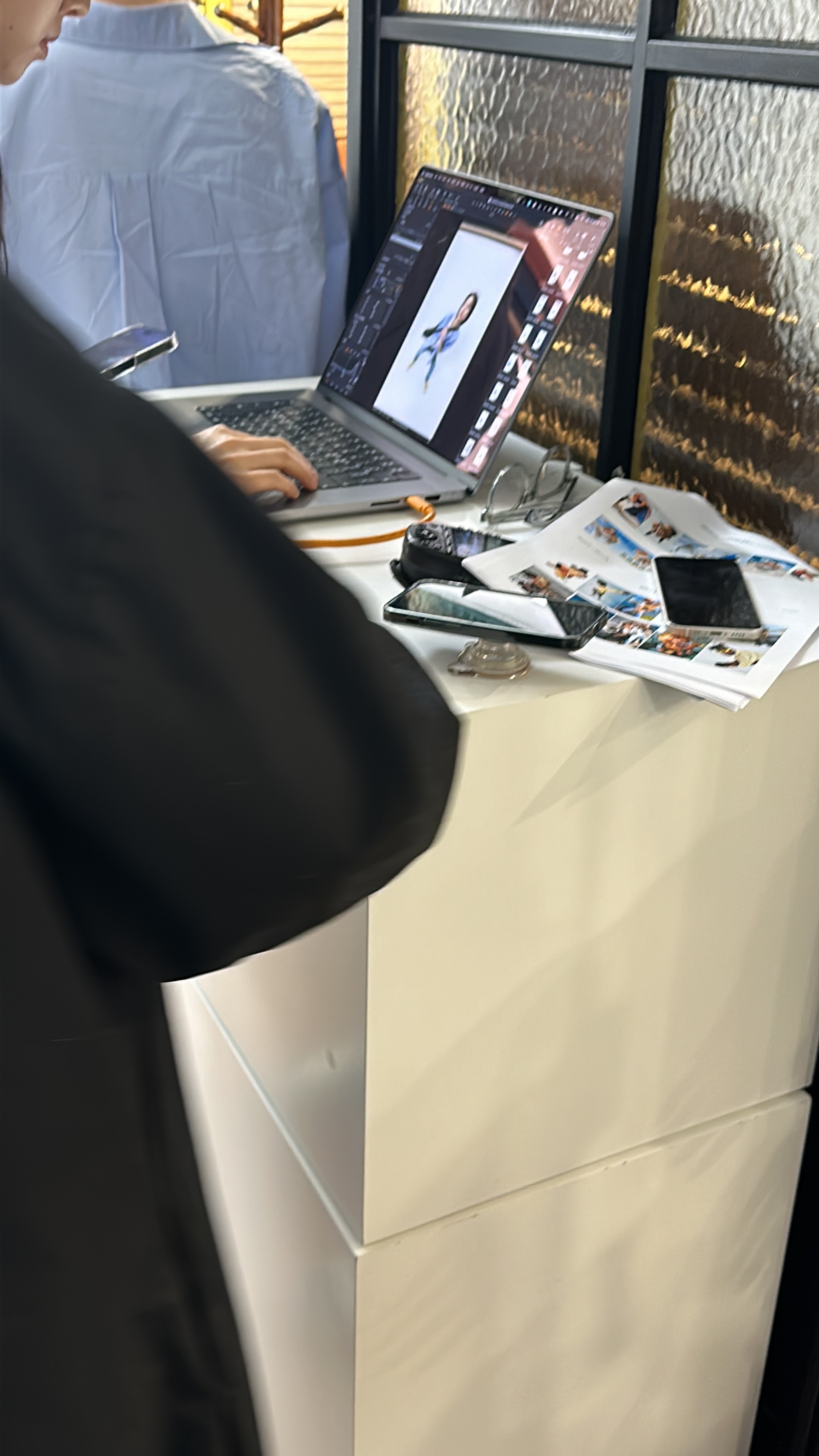
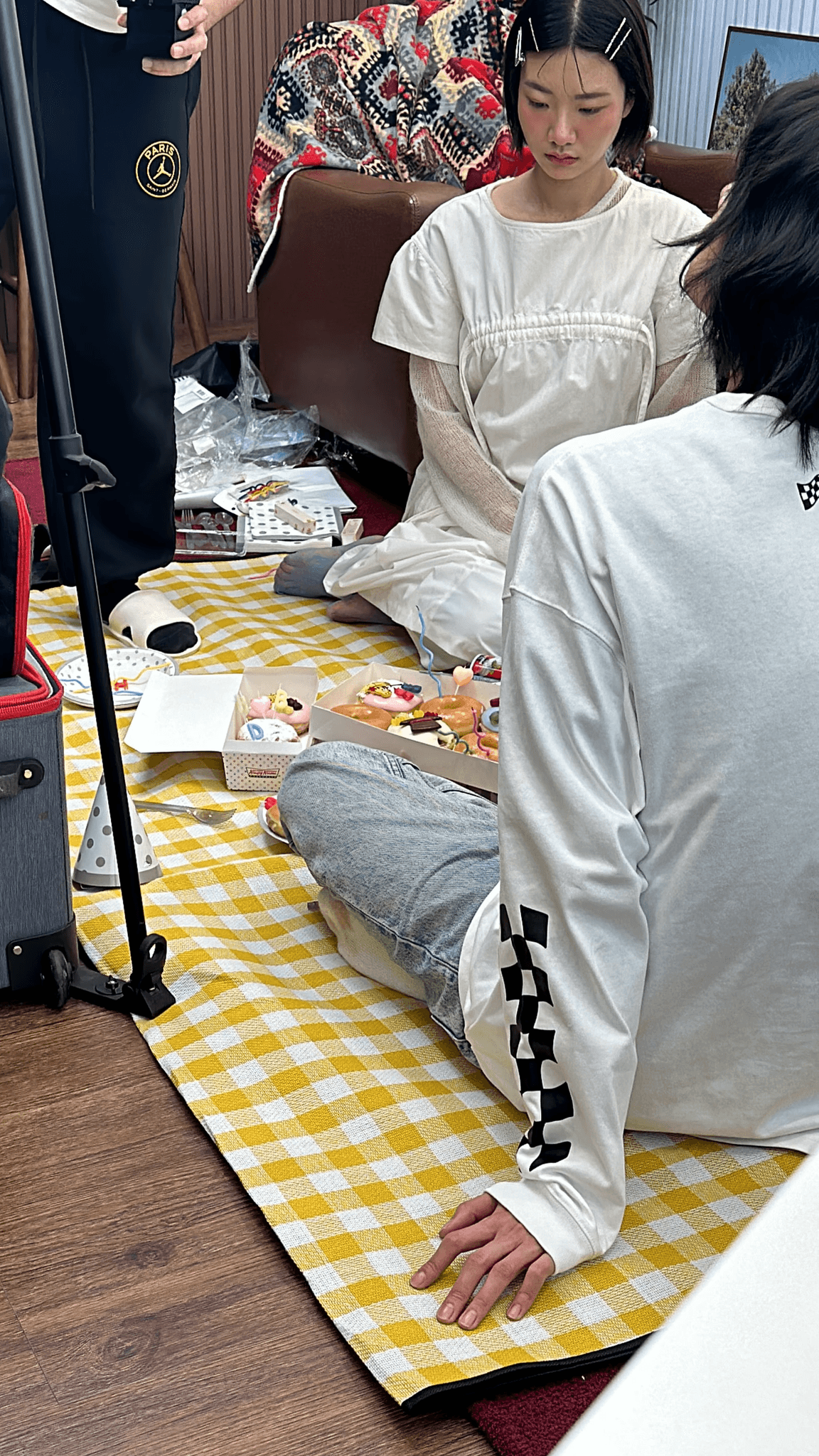
I spent the shoot day inside the studio and treated the set as the brief. Lighting rigs, surface materials, color temperature, and prop choices became the rules the 3D assets had to follow.
Method · on-set observation
Step · 02
Switch renderer,
keep the deadline.
The studio pipeline used Redshift, while my previous workflow was Octane. I switched renderers inside the project and rebuilt the shader logic quickly enough to keep production moving.
Tool · Redshift, first production use
Step · 03
Build assets
for a live plate.
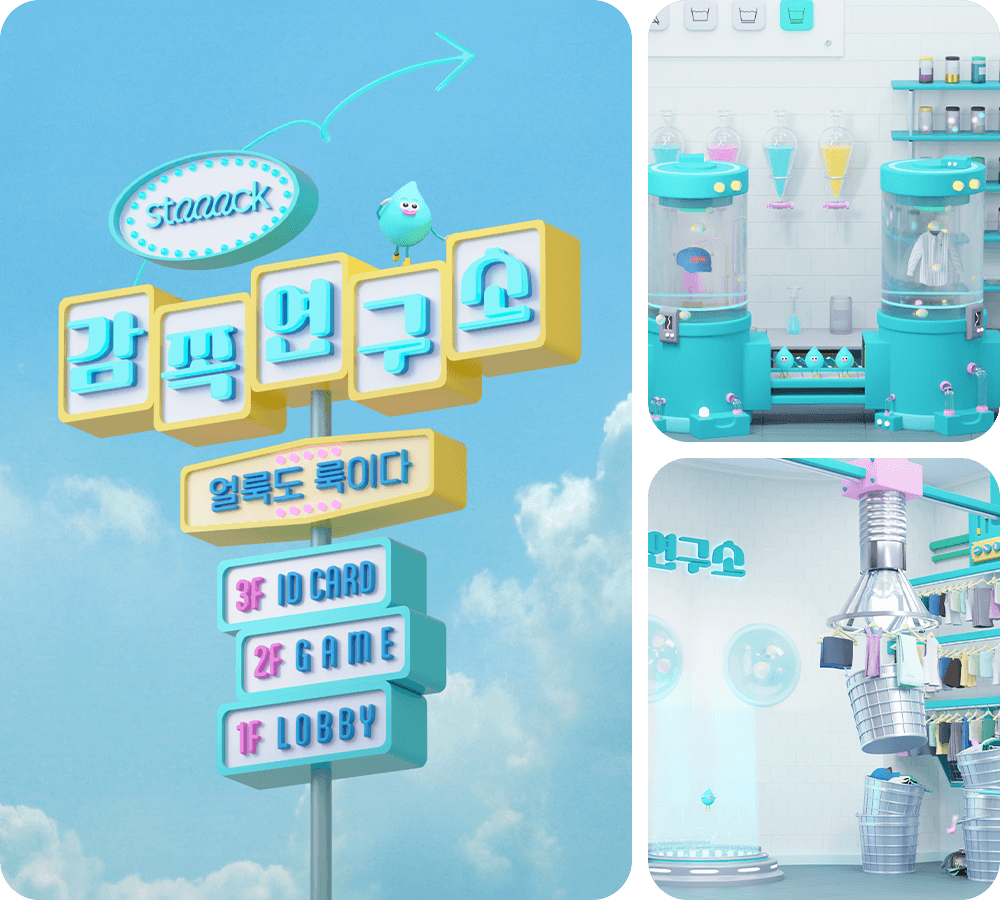
Typography, liquid, character, bubble, and dollar-stack assets were built to merge with one photographic plate. Each asset was lit, graded, and framed as if it had already been on set.
Output · six or more assets, one composite cover
Solution
Craft 01 · transparent liquid
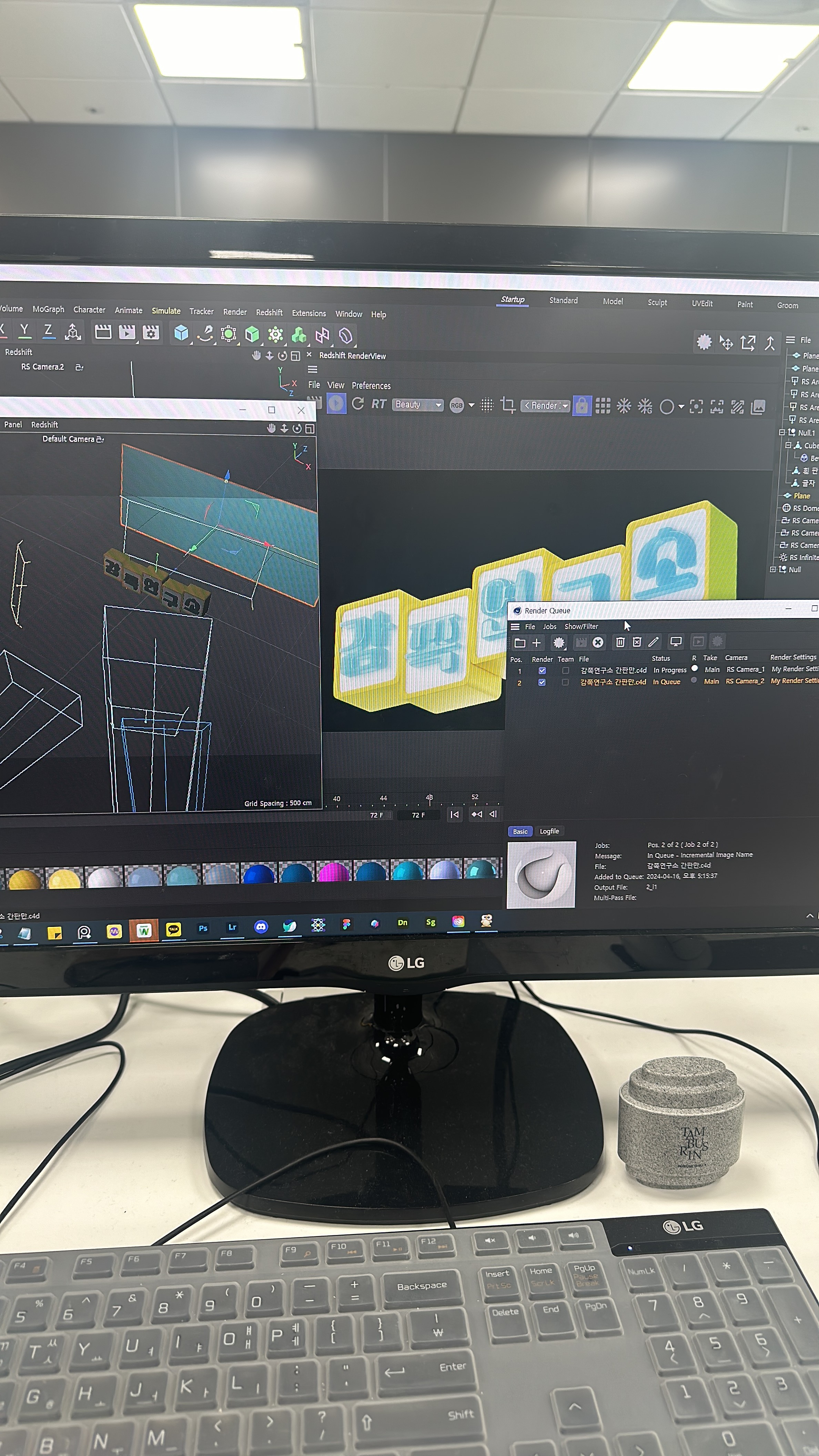
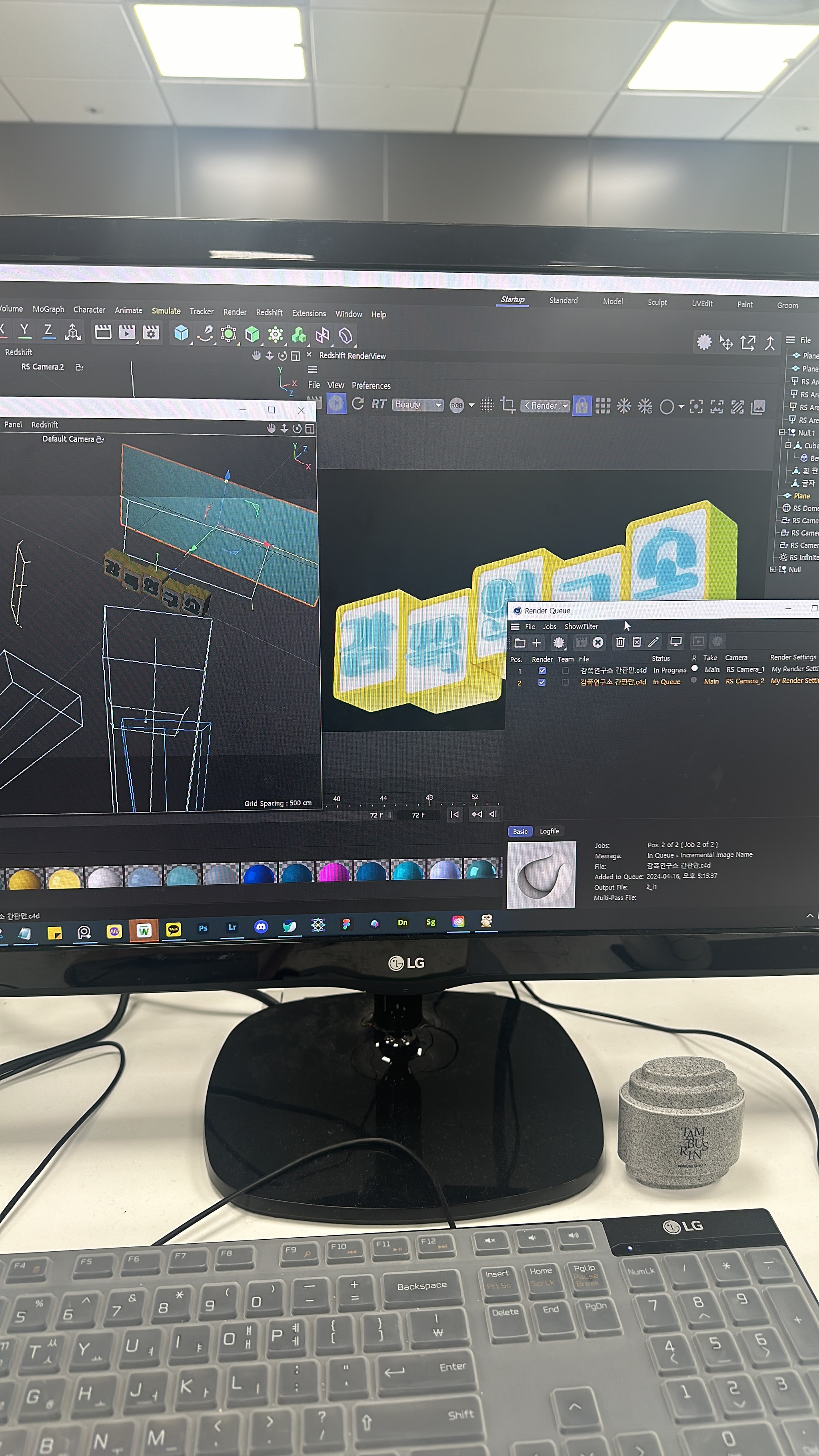
Refraction in one pass,
reflection in another.
Craft 02 · character + bubble
Matched to the cover,
not just the render.
Results

Shipped with Issue 23.
And the role widened.
What changed.
STAAACK Issue 23 shipped on schedule with a cover built from one live photo and six or more 3D assets. The final image reads as one scene, not as a render placed on top of a photograph.
After the issue closed, the manager said, "you have a lot of range." The line mattered because it named the actual work: reading the set, switching tools, building the assets, and finishing the composite inside one production cycle.
The takeaway was not simply that I learned Redshift. It was that going deeper into one pipeline can widen the role itself. The assignment began as asset production, but the work became art direction, lighting judgment, and technical adaptation.
Next Project
Hublot ver.1
→
Sydney Hong
Seoul, South Korea
© Sydney Hong All Rights Reserved